


Our cybersecurity audits
In the all-digital age, companies are evolving in a context where data is a strategic asset. And strategic assets require protection. Today, digital transformation, cloud adoption, the multiplication of connected objects and hyperconnectivity have profoundly changed the way organizations operate, making cybersecurity more essential than ever. Digital security has become a major issue for all businesses, whatever their sector or size.
With this in mind, cybersecurity audits are used to assess the robustness and resilience of an information system. An audit provides a realistic assessment of a company's level of protection, identifying vulnerabilities and areas for improvement. It covers both technical and organizational aspects, reviewing IT infrastructure, security protocols and internal governance.
What is a cybersecurity audit, and why is it essential?
A cybersecurity audit is an in-depth assessment of a company's information system, aimed at detecting potential vulnerabilities and analyzing the level of data protection.
Unlike a simple spot check, this is a dynamic process, which needs to be carried out regularly to keep pace with technological developments and new threats.
By regularly identifying vulnerabilities and adjusting protective measures, they enable organizations to adapt their security posture to emerging threats. Cybersecurity audits are part of a continuous improvement process.
Depending on the objectives and the scope analyzed, they differ.
Approach and methodology of a cybersecurity audit
Audits follow a precise methodology and process.
- Defining scope and objectives: generally, the audit begins with a preparation phase, during which the auditor validates or adjusts the scope of analysis. This involves determining the assets to be examined, identifying the issues specific to the company and setting the objectives of the assessment. This enables the audit to be tailored to the organization's real needs.
- Technical or organizational assessment.
- Technical audit: Pentest testing, code audit, IT and Cloud infrastructure assessment...
- Organizational audit: Audit of security processes, analysis of policies and procedures, access management and compliance with standards (ISO 27001, RGPD...)....
- Finally, the audit results are summarized in a detailed report, highlighting the vulnerabilities identified and the remedial actions recommended by our experts.
What are the different types of cybersecurity audit?
Technical audits and governance audits are the two main categories of cybersecurity audits. The former focus on technical analysis (of infrastructures, systems, applications or software), while the latter deal with security organization and governance, and risk management.
Technical audits
A successful attack is based on a technical or human vulnerability or flaw that a cybercriminal has been able to exploit. This could be a forgotten security update, a poorly configured server, an overly permissive firewall, weak passwords, leaked passwords... At this level, technical audits aim to identify exploitable flaws in an information system before an attacker can take advantage of them.

Pentest web
Web Pentest aims to identify security flaws in websites and online applications. In particular, it detects critical vulnerabilities such as authentication bypass or elevation of privileges, in order to reinforce the protection of platforms exposed on the Internet.
LAN audit
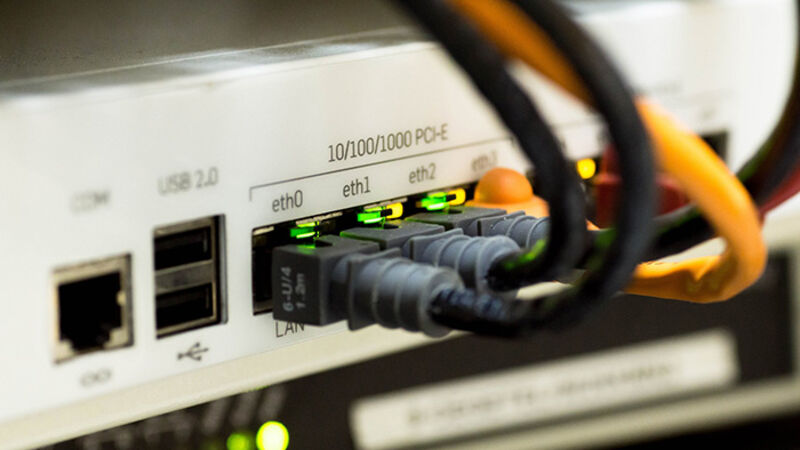
The LAN audit aims to measure exposure to internal threats by analyzing the security of the corporate network. By simulating the actions of an attacker with physical or user access, it helps identify critical vulnerabilities such as vulnerable network configurations, Active Directory environment misconfigurations, insecure shares, and so on.

Cloud infrastructure audit
Cloud infrastructure audits assess the security of environments hosted on platforms such as AWS, Azure or Google Cloud. The aim is to identify vulnerabilities linked to configuration, privilege management and data access, to ensure better protection against threats specific to cloud computing.

Code security audits
Code auditing aims to measure the security level of information system components (web applications, APIs, fat clients) and detect vulnerabilities that may escape penetration testing.

Compliance audit
The configuration audit assesses system security by analyzing the configuration of equipment such as servers, operating systems and middleware. Based on standards such as CIS, PCI DSS or ANSSI, it identifies and corrects misconfigurations that could expose the infrastructure to cybersecurity risks.

Mobile application audits
The Android and iOS mobile application audit assesses the security of your applications through static analysis (reverse engineering) and dynamic analysis (penetration testing). The aim is to identify vulnerabilities specific to the mobile ecosystem (code, data storage, communications with servers, authentication management, etc.).
Technical audit methodology
Technical audits follow a structured approach and a rigorous methodology, based on three distinct approaches, depending on the level of information provided to the auditors:
- blackbox: the auditor has no prior information and acts as an external attacker who discovers the system from the outside ;
- greybox: the auditor has access to a standard user account, which makes it possible to assess the risks associated with internal privileges and access controls.
- or whitebox: the auditor has full knowledge of the system, including administrator accounts, in order to analyze configuration and access security in depth.



Governance audits
It's important to remember that a cybersecurity strategy must be a long-term one, and that protecting an information system is about more than just technology. Indeed, even with the latest firewalls and advanced tools, a company is exposed to major risks if security governance has not been put in place, if risks are not assessed, and if compliance with standards and regulations is not monitored. This is what governance audits are all about, to assess the overall organization of cybersecurity, its integration into internal processes and its compliance with current regulations.
Organizational audit
The organizational audit assesses a company's security governance and processes to ensure compliance with best practices and standards such as ISO 27002. It identifies gaps, analyzes the distribution of responsibilities and proposes a roadmap for reinforcing the protection of critical information and systems.
Risk assessment (or risk management)
Risk assessment enables us to define the company's context, and to identify, evaluate and prioritize the risks weighing on its information system, in order to reduce them to an acceptable level by applying one of the four risk treatment methods: acceptance, refusal, sharing or reduction. Drawing on methodologies such as ISO 27005 and EBIOS, it establishes a precise mapping of sensitive assets and defines a risk management strategy tailored to the company's challenges.

GDPR compliance audit
The RGPD compliance audit draws up a comprehensive inventory of your personal data protection practices. Through a documentary analysis and interviews with your teams, it assesses your formal aspects and security measures, to support you towards sustainable compliance with regulatory requirements.
What qualifications should your IT security audit provider have?
Of course, the choice of a cybersecurity service provider is based on its qualifications and certifications, a guarantee of its expertise and compliance with industry standards. A number of certifications attest to the seriousness and professionalism of an IT security auditor.
PASSI qualification
Issued by ANSSI, the Prestataire d'Audit de la Sécurité des Systèmes d'Information (PASSI) qualification attests to a service provider's ability to carry out audits in line with French government requirements. It covers several areas, including penetration testing, configuration and governance audits. Note that this qualification is notably required for audits of Operators of Vital Importance (OIV), within the framework of the French Military Programming Law. AlgoSecure is PASSI-qualified for all the audit scopes in the ANSSI reference framework: penetration testing, code audit, configuration audit, architecture audit and organizational and physical audit.

ISO 27001 certification
The ISO 27001 standard certifies that the certified organization applies a Information Security Management System (ISMS). It guarantees a structured approach to risk management and the protection of sensitive data. As an ISO 27001-certified service provider, AlgoSecure applies the security measures it recommends to its customers, and is committed to a process of continuous cybersecurity improvement.

The ExpertCyber label
Awarded by Cybermalveillance.gouv.fr, this label recognizes companies demonstrating advanced expertise in cybersecurity assistance and support. It ensures a high standard of intervention for companies that have been victims of cyber-attacks, and attests to recognized know-how in incident remediation.
Individual certifications (OSCP, OSEP, ISO 27001 Lead Auditor/Implementer)
AlgoSecure consultants have advanced certifications according to their field of expertise:
- OSCP (Offensive Security Certified Professional) and OSEP (Offensive Security Experienced Pentester), which attest to a high level of competence in penetration testing and advanced pentesting;
- ISO 27001 Lead Implementer, which certifies the ability to deploy an ISMS compliant with the ;
- ISO 27001 Lead Auditor, which validates expertise in auditing compliance with ISO 27001 requirements ;
- OSED (OffSec Exploit Developer), specialized in exploit development, enabling in-depth analysis of application and system vulnerabilities;
- CRTO (Certified Red Team Operator) and MCRTA (Multi-Cloud Red Team Analyst), which validate skills in simulating targeted attacks, in red team testing and in assessing vulnerabilities specific to multi-environment cloud infrastructures;
- BSCP (Burp Suite Certified Practitioner), demonstrating advanced mastery of Burp Suite for security auditing and testing of web applications;
- EBIOS Risk Manager, a key certification in risk analysis and management, enabling a strategic approach in line with security standards such as ISO 27005 and the EBIOS methodology.
Transforming auditing into a lever for sustainable cybersecurity development
More than just a technical observation, a cybersecurity audit is a real tool for progress, an opportunity for the company to take a step back from its practices and refine its cybersecurity strategy. In addition to correcting any weaknesses detected, the aim is to integrate cybersecurity into a continuous improvement process. The ultimate aim is to anchor cybersecurity at the heart of business processes, instilling an adapted corporate culture capable of anticipating threats and responding to them effectively.
Specialists in information security and pentest throughout France
You've enabled "Do Not Track" in your browser, we respect that choice and don't track your visit on our website.